ITT is back in Liberia!
In early 2026, ITT, in collaboration with Infrastructure Procurement Consultant Liberia Limited (IPCLL), was commissioned by the World Bank to create a Draft National Tolling and Axle Load Control Policy and a Practical Guidance Note on Road Asset Management.
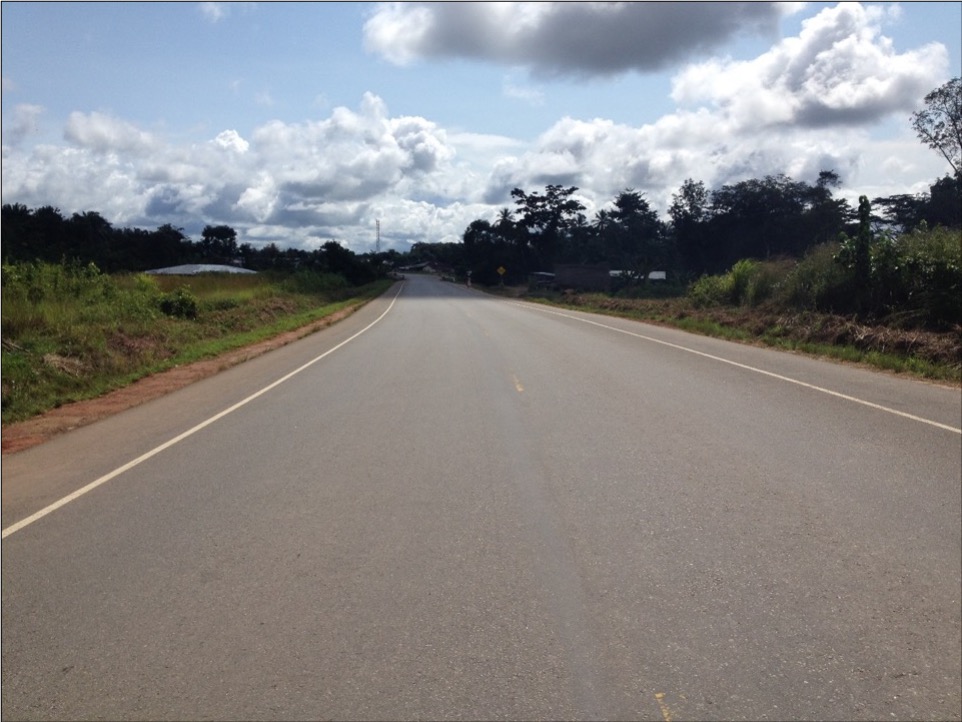
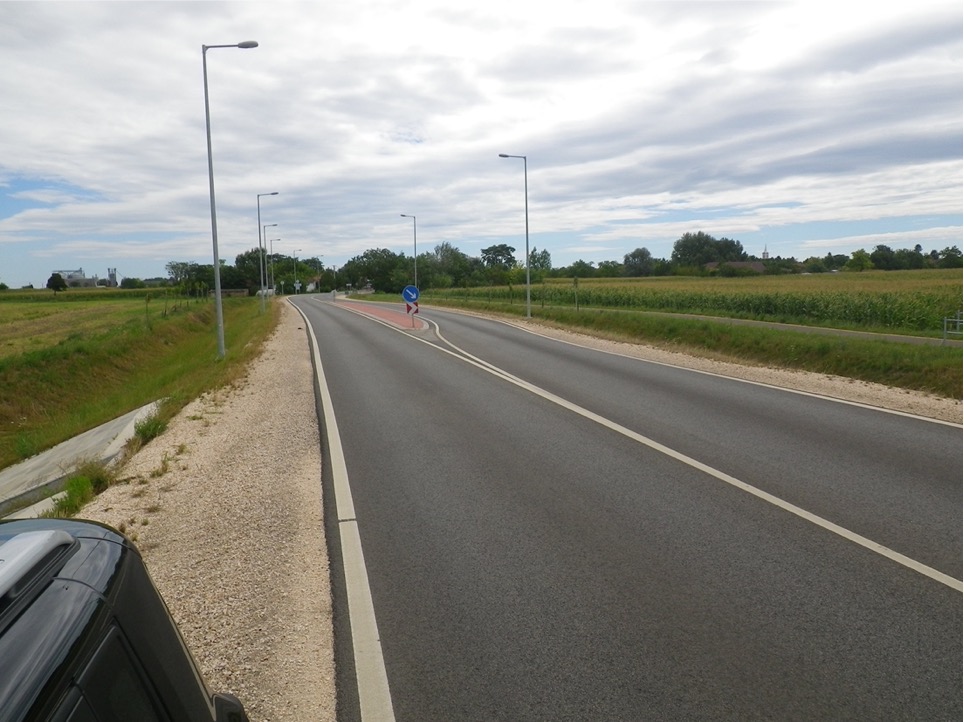
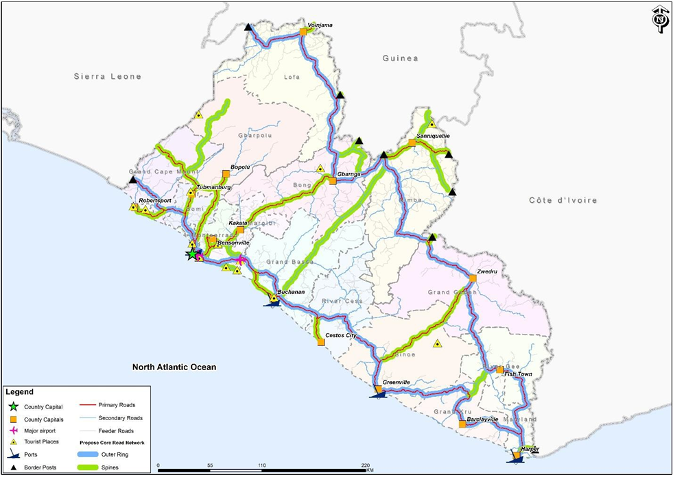
Liberia’s classified road network spans approximately 13,019 km and connects Monrovia to regional capitals, border crossings, ports, and key production zones. Non-urban roads make up about 93 per cent of the network, and roughly 94 per cent of these roads remain unpaved, with only about 906 km paved nationwide. This structure leads to high maintenance costs and heightened vulnerability to climate impacts.
More....
As a result of this network composition, condition data highlight significant structural stress across both paved and unpaved assets. About 26.7 per cent of paved roads are in poor condition, with visible cracking, rutting, and edge failures linked to traffic growth and delayed maintenance. Around 31 per cent of unpaved roads are classified as poor, while most of the remainder are in fair condition. Weak maintenance practices, inadequate drainage, and high rainfall worsen deterioration, leading to seasonal flooding, erosion, and washouts. Freight corridors serving mining and agricultural areas carry axle loads beyond their original design limits, accelerating damage, shortening maintenance intervals, and reducing asset lifespan.
These structural challenges translate into clear economic and social impacts. Poor road conditions limit market access and raise transport costs, with rural and remote areas facing the greatest constraints. This deepens spatial inequality and restricts economic opportunities. At the same time, limited maintenance funding and weak asset protection systems sustain a cycle of build, neglect, and rebuild, which steadily reduces asset value and increases pressure on public finances.
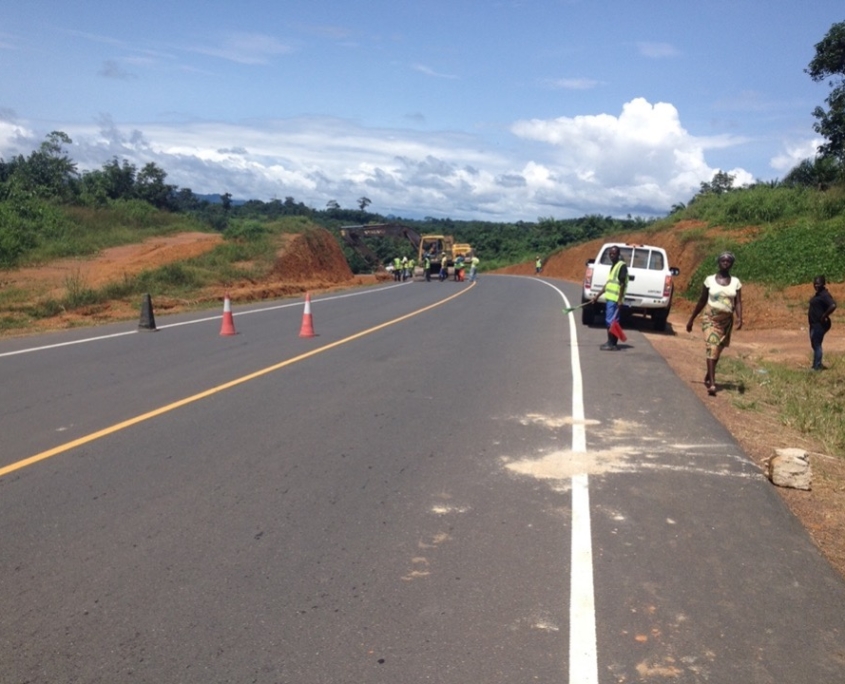
Given these challenges, the World Bank commissioned this consultancy to address both financing sustainability and asset preservation. The assignment includes development of a Draft National Tolling and Axle Load Control Policy, a feasibility assessment for tolling and axle load systems, and a Practical Guidance Note on Road Asset Management. The work focuses on a central policy question: how to protect a high-value yet vulnerable road network within tight fiscal limits, rising climate risks, and weak cost-recovery systems.
The consultancy supports long-term sector reform by providing the policy, financial, and technical basis for sustainable road funding and asset preservation. Building on this foundation, ITT and IPCLL have completed the feasibility phase and are now moving into stakeholder engagement. The next stage focuses on building consensus on policy direction, with an emphasis on financing mechanisms and reducing the current maintenance backlog.